Powell River top rated general contractor: Full-Service General Contracting
Revolutionize Your Property: Qualified General Contractor Services for All Project
Renovating a space necessitates meticulous planning and execution. Engaging a general contractor can streamline this process. They provide expertise to multiple projects, ensuring compliance with regulations and effective management. The decision to hire a professional affects the outcome greatly. Understanding the advantages and types of projects managed by general contractors is essential. What factors should one consider when undertaking on such an endeavor?
Why You Should Hire a General Contractor for Your Construction Project?
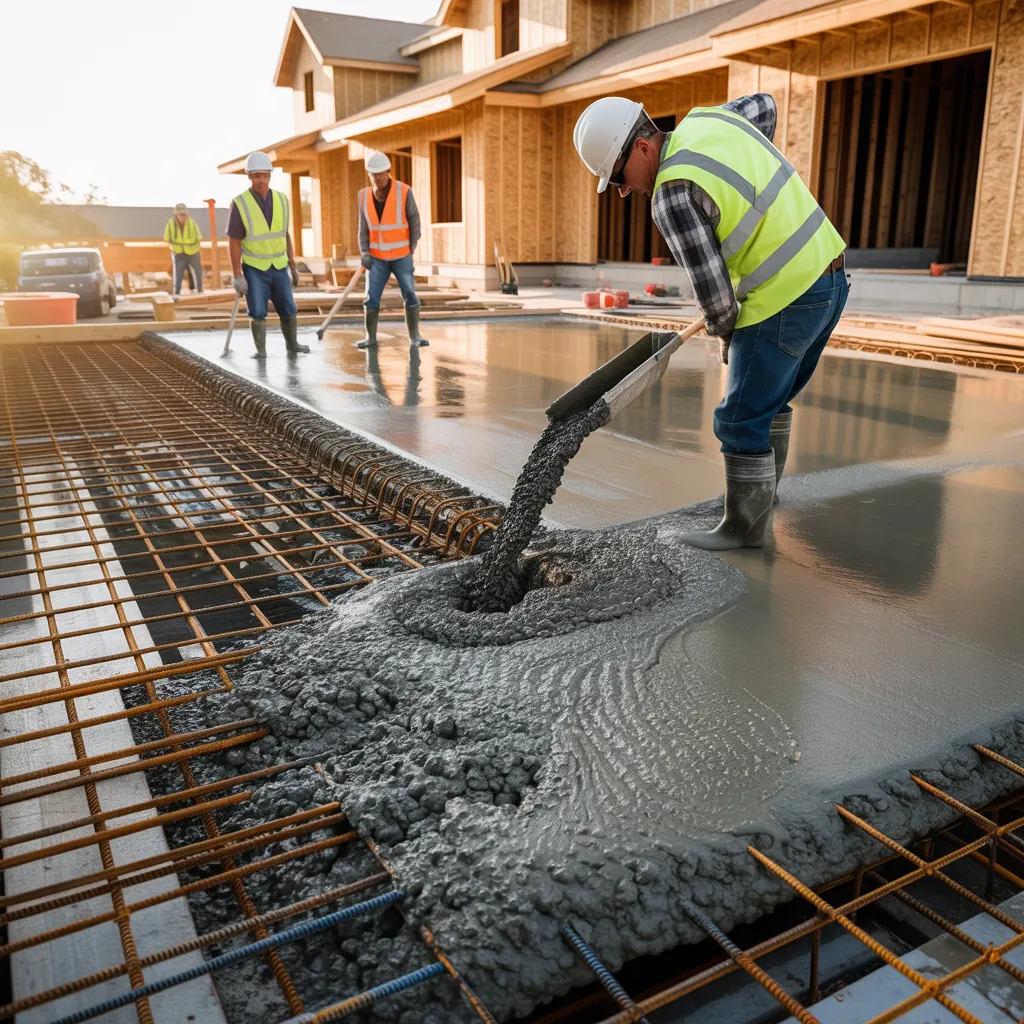
Upon starting a construction project, numerous people miss the merits of hiring a general contractor. A general contractor functions as the project manager, organizing numerous components of construction, which can be crucial for securing efficiency. They have a complete understanding of the construction process, enabling them to expect challenges and develop solutions. Additionally, general contractors often have developed relationships with subcontractors and suppliers, supporting smoother negotiations and possibly securing better pricing on materials and labor.
In addition, hiring a general contractor can save time, as they manage schedules and deadlines, allowing homeowners to focus on other priorities. Their expertise in maneuvering local building codes and regulations is invaluable, working to avoid costly mistakes or delays. In the end, engaging a general contractor can result in a more organized, streamlined construction experience, making certain that the project advances as planned, with fewer complications along the way.
Benefits of Employing a General Contractor
Hiring a general contractor can considerably boost the overall success of a construction project, as their expertise delivers many advantages. One of the key benefits is efficient project management, as general contractors coordinate schedules, resources, and subcontractors, making certain that timelines are met. Their established relationships with suppliers often produce cost savings on materials, promoting budget efficiency.
In addition, general contractors possess extensive knowledge of local building codes and regulations, decreasing legal complications and ensuring compliance. This expertise reduces the likelihood of costly errors or delays. They also deliver a single point of contact, streamlining communication for clients and improving decision-making.
Moreover, bringing on a general contractor enables clients to focus on their day-to-day responsibilities without the worry of monitoring every aspect of the project. Eventually, the rewards of employing a general contractor encompass superior oversight, minimized risks, and improved overall quality of construction projects.
Typical Projects Managed by General Contractors
General contractors are crucial for managing multiple project types, each requiring distinct expertise and coordination. Common projects include house renovation work, commercial building projects, and exterior space renovations. Recognizing the range of these common projects demonstrates the adaptability and essential function of general contractors in the building industry.
House Renovation Projects
Though residential renovation endeavors can range considerably in extent and complexity, they typically involve several key forms that general contractors are experienced in managing. These initiatives often include kitchen upgrades, which boost functionality and aesthetics, and bathroom renovations that increase both comfort and value. General contractors also regularly oversee basement finishing, changing underutilized spaces into livable areas. Additionally, they manage home additions, enlarging the living space to accommodate growing families or changing needs. Exterior renovations, such as deck installation or siding replacement, are also typical, elevating curb appeal and structural integrity. By organizing skilled trades, securing permits, and meeting timelines, general contractors confirm that residential renovations are executed seamlessly and competently, resulting in satisfied homeowners.
Business Construction Ventures
Commercial construction projects include a broad spectrum of projects that demand the expertise of skilled general contractors. These projects often include office buildings, retail spaces, warehouses, and hospitality establishments. General contractors manage the complete construction process, guaranteeing that timelines, budgets, and quality standards are fulfilled. They work with architects, engineers, and subcontractors to organize efforts and resolve challenges effectively. Moreover, they are responsible for securing necessary permits and adhering to local regulations. From the initial planning phase to the final inspection, general contractors fulfill a essential role in enabling seamless execution. Their experience and knowledge allow them to handle complex commercial projects, ultimately redesigning spaces to meet the particular needs of businesses and their clientele.
External Space Improvements
Renovating outdoor spaces presents many different projects that skilled contractors expertly manage to improve both practicality and aesthetics. These transformations can include the construction of patios and decks, which provide valuable outdoor living spaces for unwinding and entertainment. Landscaping projects are also common, involving the installation of gardens, pathways, and water features that enhance the visual appeal of any property. General contractors often oversee the creation of outdoor kitchens and dining areas, enabling homeowners to enjoy al fresco meals. Moreover, they handle fencing and retaining wall installations that provide privacy and structural support. By incorporating sustainable practices, like rain gardens and native plantings, contractors create eco-friendly outdoor environments that benefit both homeowners and the surrounding ecosystem.
Planning Your Budget for General Contractor Services
Budgeting for general contractor services requires meticulous planning and detailed estimation of project costs. It is critical to designate contingency funds to manage unanticipated expenditures that may occur during the project. Additionally, giving priority to essential expenses ensures that the most important aspects of the project receive adequate funding.
Determine Job Expenses
When planning a construction project, estimating costs accurately is crucial for ensuring the venture keeps within financial limits. A complete evaluation of materials, labor, and essential equipment should be executed to create a solid budget. General contractors generally provide initial estimates according to project specifications, enabling clients to understand expected expenses. It is imperative to gather several quotes from suppliers and subcontractors to evaluate costs effectively. Additionally, considering the scope and complexity of the project will aid in identifying the most substantial cost drivers. By evaluating these factors carefully, clients can make informed decisions and avoid surprise financial burdens, in the end leading to a prosperous project completion without exceeding the budget.
Set Aside Contingency Capital
Designating contingency funds is a essential step in budgeting for general contractor services, as it helps protect from unforeseen expenses that may occur during a construction project. Typically, a contingency fund should range from 5% to 15% of the total project budget, depending on the complexity of the project and potential risks. This financial cushion permits homeowners to handle unexpected costs without jeopardizing the entire project. It is essential to analyze the scope and nature of the work when determining the right percentage for the contingency fund. By anticipating these potential additional expenses, homeowners can retain control over their budget while ensuring that the project remains on track, ultimately resulting in a more successful renovation or construction experience.
Prioritize Essential Expenditures
After allocating contingency funds, the next step in managing finances for general contractor services involves emphasizing essential expenses. Homeowners should begin by identifying key project components that are non-negotiable, such as structural repairs, plumbing, and electrical work. These elements are critical for guaranteeing safety and functionality. Once essential expenses are identified, clients should acquire detailed estimates from contractors to comprehend the costs involved. This facilitates effective allocation of funds and helps stop overspending on non-essential features. By concentrating on necessities first, homeowners can establish a solid foundation for their project, making certain that their budget covers both immediate needs and future enhancements. This strategic approach helps maintain financial stability throughout the renovation process.
How to Pick the Right General Contractor for Your Requirements
How does one choose the ideal general contractor for a particular project? To start, it is important to gather recommendations from family, friends, or online reviews to develop a shortlist of possible candidates. Following this, confirm their credentials, including licenses, insurance, and certifications, ensuring compliance with local codes. It is also imperative to evaluate portfolios of past projects to assess the quality of their work and experience in similar ventures.
Once a list is narrowed down, candidate interviews are crucial. This permits evaluation of communication skills, responsiveness, and adherence to project goals. Asking for detailed estimates and timelines will support determining budget compatibility and project feasibility. Ultimately, examining references and past client experiences will reveal details about reliability and professionalism. By implementing these measures, one can confidently choose a general contractor who addresses specific needs and expectations, culminating in a successful project outcome.
Construction Process Expectations
What might one expect during the construction process? Initially, there will be a thorough assessment of the project, including location evaluations and discussions concerning timelines and budget. Once the project begins, regular communication between the contractor and the client is crucial to secure alignment on expectations and progress.
Throughout the construction phase, anticipate seeing a range of tradespeople on-site, all working in pursuit of a common goal. This stage may entail disruptions, such as noise and limited access, so preparing in advance is vital.
Delays may occur due to unforeseen circumstances, such as inclement weather or material shortages, but a reputable contractor will communicate these issues promptly.
When the project nears its final stages, final inspections and modifications will occur. Essentially, flexibility and patience are crucial as construction progresses, resulting in the impressive transformation of the specified area.
Ways to Effectively Collaborate With Your General Contractor
Effective partnership with a general contractor can significantly influence the results of a construction project. Transparent communication is vital; clients need to communicate their objectives, budget parameters, and timeframe from the start. Frequent updates can help ensure that everyone stays synchronized on project objectives and advancement. Establishing a mutual respect fosters a positive working relationship, enabling transparent conversations about obstacles that may emerge.
Clients should also be prepared to make timely decisions regarding materials and design choices to avoid delays. Giving feedback throughout the course can enable the contractor to make essential changes. Moreover, grasping the contractor's work process and restrictions can strengthen collaboration, as it permits clients to predict potential problems. Finally, maintaining a flexible attitude towards changes can facilitate smoother adaptations during the project's lifecycle. By adhering to these guidelines, clients can establish a productive partnership with their general contractor, resulting in successful project results.
Questions & Answers
What Should I Look for When Choosing a General Contractor?
When selecting a general contractor, it's important to consider their licensing, insurance, experience, references from clients, and portfolio of completed projects. Additionally, effective communication skills and a clear understanding of project timelines are vital for successful collaboration.
How Much Time Does a Standard Project Require?
Project timelines can differ significantly but typically range from a few weeks to several months. Factors influencing completion time include project complexity, contractor availability, and unforeseen circumstances that may arise during construction.
What Actions Should I Take if I'm in Conflict With My Contractor?
Should there be a dispute with a contractor, one should first initiate direct communication to address the issue. If the matter remains unsettled, checking the contract and looking into mediation or attorney consultation may be needed for further action.
Are General Contractors Licensed and Insured?
Absolutely, general contractors are usually required to be properly licensed and insured. This confirms they satisfy local standards and protect both themselves and their clients from potential liabilities or damages throughout a construction project.
Am I Able to Alter the Project Once Work Commences?
Yes, changes can be made to a project once it starts, but they may demand updates to the timeline and practical tips budget. Clear communication with your contractor is vital to address any alterations properly.